Comprehensive care for non-cancerous urologic conditions
Robotic-Assisted Simple Prostatectomy
A minimally invasive robotic surgery reserved for men with extremely large prostate glands that are too big for endoscopic treatments like TURP or Aquablation.
Performed by Dr. Ragheed M. Saoud, urologist and robotic surgeon at the American University of Beirut Medical Center (AUBMC) in Beirut, Lebanon.
About This Procedure
For most men with an enlarged prostate, procedures performed through the urinary channel — like TURP or Aquablation — are all that's needed. However, when the prostate has grown extremely large, removing enough tissue through a scope isn't practical or safe. This is where robotic-assisted simple prostatectomy comes in.
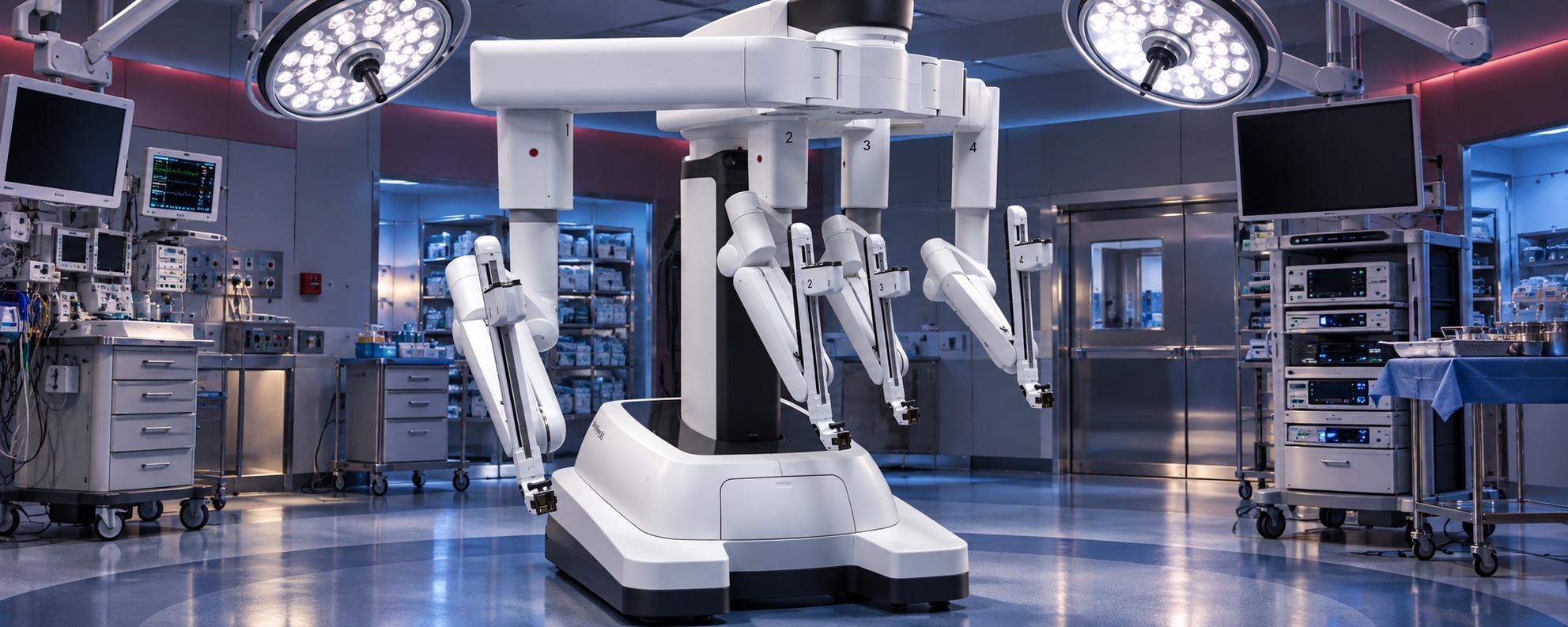
Important distinction: unlike a radical prostatectomy for prostate cancer, a 'simple' prostatectomy does not remove the entire prostate gland. Instead, Dr. Saoud uses the da Vinci robotic surgical system to remove only the inner, obstructing portion of the prostate — the part pressing on the urinary channel and causing symptoms — while leaving the outer capsule of the gland in place. This is done through a few small keyhole incisions in the abdomen, rather than the single large open incision this operation traditionally required.
The robotic approach offers the same core benefits patients have come to expect from minimally invasive surgery: smaller incisions, less blood loss, a shorter hospital stay, and a faster recovery — while still safely and effectively removing very large volumes of obstructing prostate tissue that endoscopic options cannot manage.
Benefits
- Best option for extremely large prostate glands not suited to endoscopic surgery
- Robotic precision through small keyhole incisions instead of one large open incision
- Less blood loss and pain compared to traditional open simple prostatectomy
- Shorter hospital stay and faster return to normal activity
- Effective, durable relief of severe obstructive BPH symptoms
Recovery
Hospital stay typically 1–3 days with a temporary catheter; return to normal activities in 2–4 weeks.
Medical Disclaimer
The information on this page is for general educational purposes only and does not constitute medical advice. Treatment decisions should be made in consultation with Dr. Saoud based on your individual circumstances.
Schedule a Consultation
Ready to Take the
Next Step?
Whether you have a new diagnosis, are seeking a second opinion, or want to learn about kidney transplantation — we are here to guide you with expert, compassionate care.

Or book through AUBMC myChart
Scan the code with your phone camera, or open myChart