What We Do
Services & Procedures
Below is the complete list of surgical procedures Dr. Saoud personally performs — spanning urologic oncology, kidney transplantation, benign urology, and robotic-assisted surgery — with an emphasis on minimally invasive techniques that reduce recovery time and improve outcomes.
Expert surgical care for urologic cancers
Urologic Oncology
Urologic oncology focuses on the diagnosis and surgical treatment of cancers affecting the urinary tract and male reproductive system. Dr. Saoud specializes in minimally invasive techniques that preserve quality of life while achieving excellent cancer control.
Robotic-Assisted Radical Prostatectomy
Minimally invasive surgical removal of the prostate gland for prostate cancer using the da Vinci robotic system.
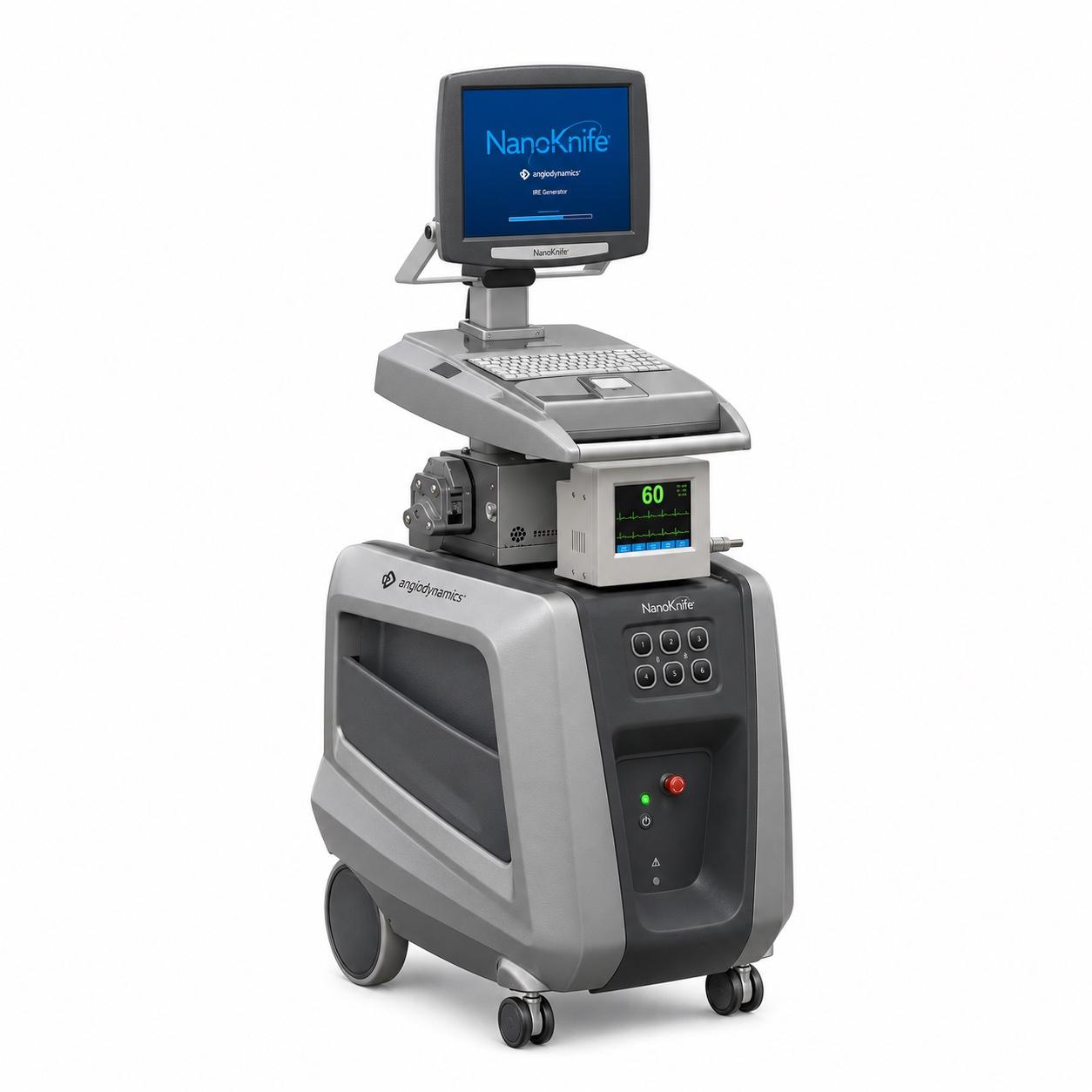
Focal Therapy — NanoKnife IRE for Prostate Cancer
Irreversible electroporation (IRE) focal therapy that precisely ablates prostate cancer while preserving surrounding tissue, urinary function, and sexual function.
Robotic Radical Nephrectomy
Surgical removal of a kidney affected by cancer when kidney-sparing surgery is not possible.
Robotic Partial Nephrectomy
Kidney-sparing removal of a renal tumor, preserving maximum kidney function.
Robotic-Assisted or Open Radical Cystectomy & Urinary Diversion
Surgical removal of the bladder for muscle-invasive or recurrent bladder cancer, with reconstruction of urinary drainage.
TURBT (Transurethral Resection of Bladder Tumor)
Endoscopic removal of bladder tumors used for diagnosis and treatment of non-muscle-invasive bladder cancer.
Retroperitoneal Lymph Node Dissection (RPLND)
Surgical removal of lymph nodes behind the abdomen for testicular cancer staging and treatment.
Radical Orchiectomy
Surgical removal of a testicle for diagnosis and treatment of testicular cancer.
Robotic/Laparoscopic Adrenalectomy
Minimally invasive removal of an adrenal gland tumor.
Upper Tract Urothelial Carcinoma Surgery
Surgical management of cancers of the ureter and renal pelvis.
Transperineal MRI Fusion Prostate Biopsy
A precise, image-guided prostate biopsy technique that fuses MRI images with live ultrasound to target suspicious areas through the perineum.
Robotic Partial Cystectomy
Bladder-sparing surgical removal of a bladder tumor, preserving the rest of the bladder in carefully selected patients.
Partial or Radical Penectomy
Surgical removal of part or all of the penis for the treatment of penile cancer, tailored to tumor size and location.
Robotic Inguinal Lymph Node Dissection
Minimally invasive removal of groin lymph nodes for staging and treatment of penile cancer.
Life-changing surgery for end-stage kidney disease
Kidney Transplant
Kidney transplantation offers patients with end-stage renal disease the best chance at a full, active life. Dr. Saoud performs both living donor and deceased donor kidney transplants, as well as donor nephrectomy for living donors.
Living Donor Kidney Transplant
Kidney transplant from a living donor (family member, friend, or altruistic donor), offering superior outcomes.
Deceased Donor Kidney Transplant
Kidney transplant from a deceased organ donor through UNOS/OPTN allocation.
Laparoscopic/Robotic Donor Nephrectomy
Minimally invasive removal of a kidney from a living donor for transplant.
Transplant Evaluation & Listing
Comprehensive evaluation to determine transplant candidacy and facilitate listing on the transplant waiting list.
Comprehensive care for non-cancerous urologic conditions
General & Benign Urology
Beyond oncology and transplant, Dr. Saoud provides expert evaluation and surgical management of common benign urologic conditions, including kidney stones, BPH, and other conditions affecting the urinary tract and male reproductive health.
Kidney Stone Surgery
Minimally invasive treatment for kidney and ureteral stones, including ureteroscopy with Holmium laser and ESWL.
General & Benign Urology
Evaluation and management of common benign urologic conditions including BPH, hydrocele, varicocele, and urinary tract concerns.
Extracorporeal Shock Wave Lithotripsy (ESWL)
A completely non-invasive treatment that uses focused shock waves to break kidney stones into small fragments that pass naturally.
Rigid and Flexible Ureteroscopy
Endoscopic treatment of kidney and ureteral stones using a thin scope passed through the natural urinary channel — no incisions required.
Ureteral Stent Insertion
Placement of a small, flexible tube in the ureter to relieve obstruction and allow urine to drain freely from the kidney.
Adult Circumcision
Surgical removal of the foreskin, performed for medical conditions such as phimosis, recurrent infections, or by patient preference.
Hydrocelectomy
Surgical removal or repair of a hydrocele — a fluid-filled sac around the testicle that causes scrotal swelling.
Varicocelectomy
Surgical repair of enlarged veins in the scrotum (a varicocele) that can cause pain, swelling, or contribute to infertility.
Meatoplasty
A procedure to widen a narrowed urethral opening (meatal stenosis), improving urinary stream and reducing spraying.
Office Cystoscopy
A brief in-office procedure using a thin, flexible scope to directly examine the inside of the bladder and urethra.
Treatment of Urethral Stricture Disease
Endoscopic and reconstructive treatment options for narrowing of the urethra that obstructs the flow of urine.
Intravesical Botox Injections for Overactive Bladder
In-office injections of Botox into the bladder muscle to reduce urgency, frequency, and urge incontinence when other treatments haven't worked.
BPH & Enlarged Prostate
Benign prostatic hyperplasia (BPH) is the non-cancerous enlargement of the prostate gland that commonly develops with age, often causing a weak stream, frequent urination, and incomplete emptying. Dr. Saoud offers a full range of surgical options for BPH, tailored to prostate size and each patient's individual goals.
TURP (Transurethral Resection of the Prostate)
The time-tested, gold-standard surgery for an enlarged prostate, performed entirely through the natural urinary channel with no external incisions.
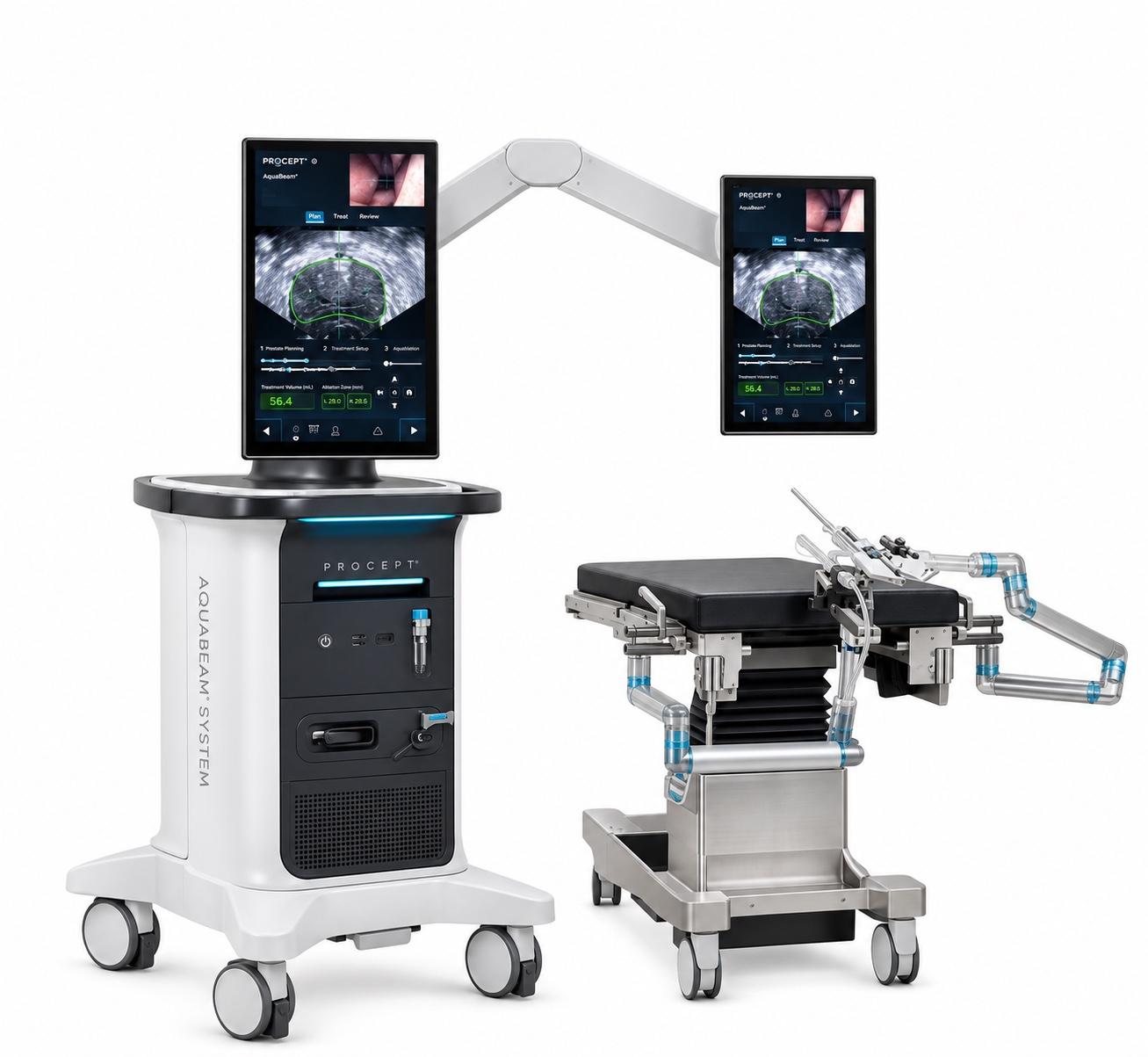
Aquablation Therapy for BPH
A state-of-the-art, image-guided procedure that uses a precise, high-pressure water jet to remove obstructing prostate tissue while helping preserve sexual function.
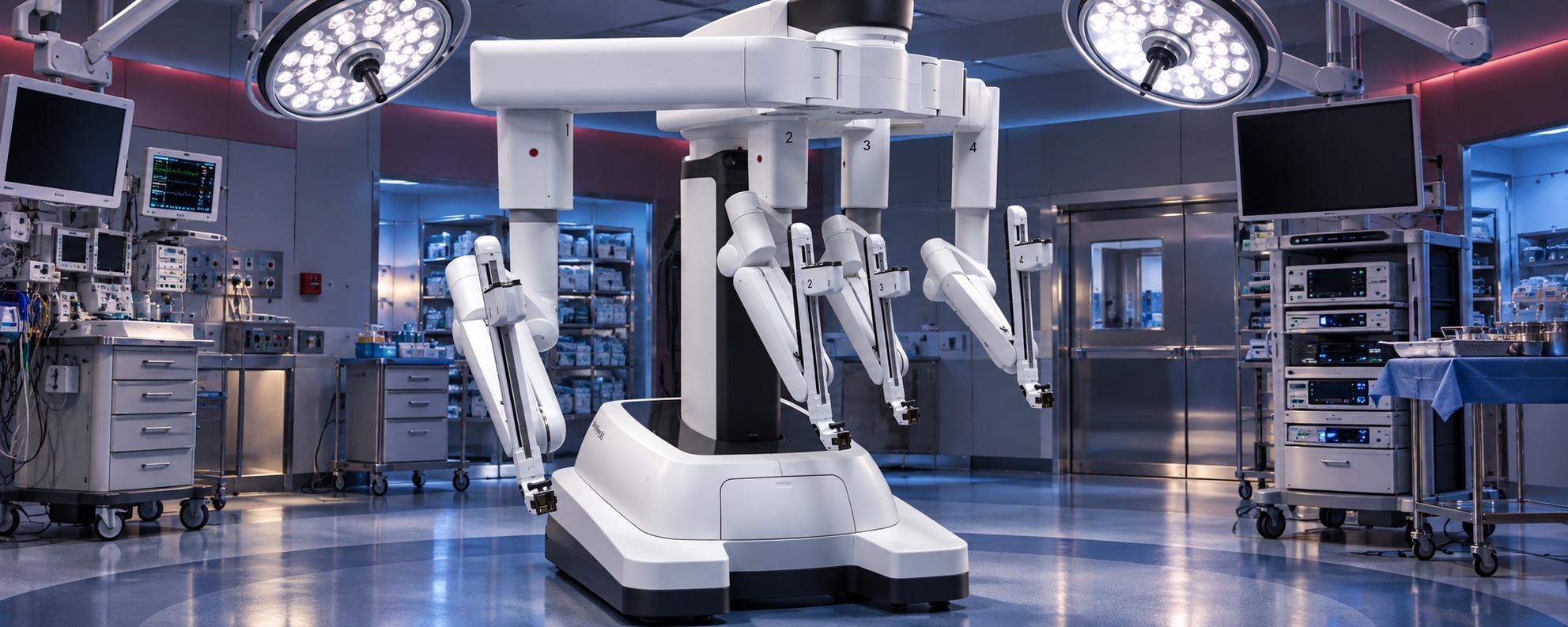
Robotic-Assisted Simple Prostatectomy
A minimally invasive robotic surgery reserved for men with extremely large prostate glands that are too big for endoscopic treatments like TURP or Aquablation.
Advanced technology for better surgical outcomes
Robotic & Minimally Invasive Surgery
Dr. Saoud is a fellowship-trained robotic surgeon with extensive experience on the da Vinci Surgical System. Robotic-assisted surgery offers unparalleled precision, 3D visualization, and articulated instrumentation — enabling complex procedures through small incisions.
Schedule a Consultation
Ready to Take the
Next Step?
Whether you have a new diagnosis, are seeking a second opinion, or want to learn about kidney transplantation — we are here to guide you with expert, compassionate care.

Or book through AUBMC myChart
Scan the code with your phone camera, or open myChart